
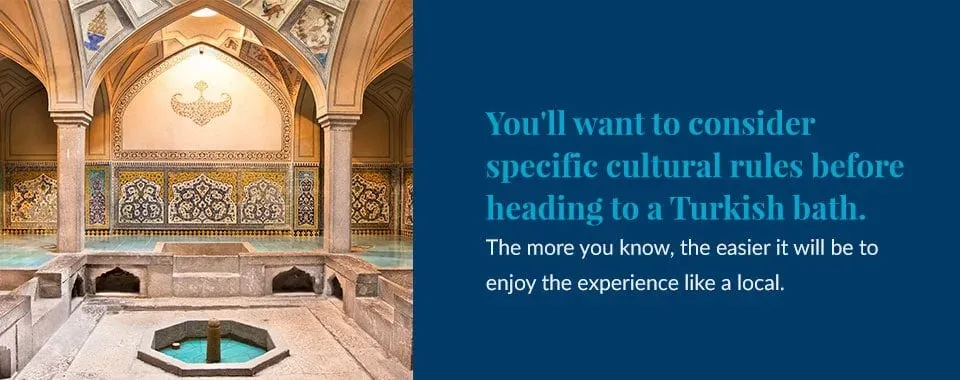
Turkish bath etiquette is not just a routine; it is an invitation to participate in a centuries-old ritual of cleansing, relaxation, and social courtesy. Whether you step into a historic hamam in Istanbul or a modern spa inspired by hammam culture, understanding hammam etiquette helps you show respect for local customs while maximizing the experience. This guide highlights the do’s and don’ts Turkish bath and the Turkish bath rules so you can navigate the space with confidence and ease. By emphasizing modesty, hygiene, and thoughtful interaction, you’ll create a smoother flow for yourself and fellow guests. With these tips for Turkish baths, you can slow the pace, savor the heat and steam, and leave with a deeper sense of renewal.
Seen through a broader lens, this hammam experience unfolds as a steam-cleanse ritual, a spa tradition rooted in hospitality and mutual respect. The language of heat, humidity, and massage echoes across regions—from kese scrubs to pestemal wraps—reflecting a long-standing bathhouse culture. Using synonyms and related terms, consider guidance like care rituals, non-verbal etiquette, and floor manners, which all point to the same core principles of courtesy and hygiene. By embracing these related concepts, travelers notice a shared essence of cleansing and social courtesy that transcends language and place.
Turkish bath etiquette: traditions, respect, and hammam culture
Turkish bath etiquette is more than a routine; it is a reflection of hammam culture, shaping how guests interact with attendants, spaces, and fellow bathers. Understanding this etiquette helps you show respect for local customs while maximizing the cleansing and relaxing aspects of the experience. The essence lies in balancing cleanliness, modesty, and hospitality that have long defined the ritual of the hammam.
Embracing Turkish bath etiquette means approaching the space calmly, dressing in a pestemal or wrap as directed, and keeping conversation soft. Arriving clean, leaving valuables behind, and signaling any medical conditions so staff can tailor heat levels and massage pressure are all part of the etiquette. By honoring this Turkish bath etiquette, you contribute to a serene environment that respects tradition and enhances everyone’s experience.
Hammam etiquette: mastering the do’s and don’ts Turkish bath
Do’s and don’ts Turkish bath act as a quick framework for respectful participation, covering hygiene, interactions, and pacing. Following this framework helps you align with the rhythm of a hammam, where guests move through warming, washing, and scrubbing with guidance from attendants. Framing your visit around these do’s and don’ts Turkish bath guidelines reduces disruption and increases comfort for yourself and others.
Do introduce yourself politely, wrap modestly with a pestemal, arrive dry, and share any sensitivities so staff can adjust heat and scrub intensity. Don’t enter hot rooms with shoes or heavy scents, don’t rush the process, and don’t photograph others without permission. The practice of do’s and don’ts Turkish bath is paired with a broader sense of Turkish bath etiquette, ensuring privacy, respect, and a tranquil atmosphere.
Turkish bath rules and the flow of a classic hammam experience
Understanding Turkish bath rules helps you navigate the flow from warm to hot spaces and through exfoliation to massage. The sequence—washing, scrubbing with kese, and relaxation—embodies a ritual rhythm that is central to hammam etiquette and Turkish bath culture. Though rules vary by country and individual hammams, the core idea remains: care for others, share space, and honor the pace of the procedure.
The practical flow includes acclimating in hararet, waiting for cues from attendants, and respecting gender-segregated spaces where applicable. Observing Turkish bath rules also means using towels to cover modesty, speaking softly, and listening to staff instructions about duration and pressure. By aligning with the established flow, you experience the cleansing ritual as it was designed to be.
Tips for Turkish baths: practical guidance for first-timers and seasoned travelers
Tips for Turkish baths cover preparation, attire, hydration, and respectful engagement with attendants. Pack a clean pestemal, hair tie, and water bottle, and research whether the facility has private rooms or mixed areas. With these tips for Turkish baths, you can step into the experience confidently, knowing what to expect from the sequence and the social norms.
Communicate preferences clearly, observe cues from staff, and give yourself time to rest after intense heat. Avoid rushing, keep conversations soft, and be mindful of others’ privacy. Hydrate before and after the session, and allow your body to acclimate to the temperature changes as you transition from hot rooms to cooler spaces.
Embracing hammam culture: language, dress code, and considerate behavior in shared spaces
Embracing hammam culture means picking up basic terms like pestemal, hararet, and kese, and recognizing how language and rituals shape the experience. Modesty and a relaxed pace are valued, so dressing in a pestemal or towel wrap is common, and guests learn the unwritten etiquette of shared spaces. The culture emphasizes hospitality, mutual respect, and patience with the ritual, making the visit comfortable for everyone involved.
In shared spaces, keep voices low, avoid disruptive behavior, and respect privacy in mixed areas or private rooms. Observing the tradition involves following staff guidance, staying present in the moment, and appreciating the social dimension of hammam culture. By honoring Turkish bath etiquette, you contribute to a space where cleansing, connection, and calm can be enjoyed by all.
Frequently Asked Questions
What are the essential hammam etiquette practices for first-time visitors?
Hammam etiquette centers on respect, hygiene, and patience. Start by greeting the staff, follow their guidance, and wear a pestemal or wrap to maintain modesty. Arrive clean and dry, minimize jewelry and electronics, and communicate any medical conditions or sensitivities so attendants can adjust heat and scrub intensity. In the heat spaces, move calmly with the flow of the session, and avoid using phones or loud conversations.
What are the do’s and don’ts Turkish bath visitors should follow to respect Turkish bath rules?
Do introduce yourself and listen to attendants; do wear a pestemal; do arrive clean; do communicate preferences; don’t enter hot rooms with outdoor shoes or strong scents; don’t rush the process; don’t use phones or talk loudly in communal areas; don’t assume self-service for exfoliation; don’t forget to tip if service was satisfactory.
How do Turkish bath rules differ in traditional hammams versus modern spa settings?
Traditional hammams often separate spaces by gender and rely on attendants for exfoliation and massages, with clear etiquette cues and more ritual rhythm. Modern spas may offer mixed areas or private rooms and have posted rules; always follow staff guidance and posted signs, and respect privacy. The core Turkish bath rules—respect, modesty, cleanliness—remain constant, but the setting and pace may vary.
What cultural tips for Turkish baths can help you participate respectfully in hammam culture?
Learn basic terms like pestemal, hararet, and kese to ease interactions. Observe the session flow from washing to scrubbing to massage, and follow attendants’ cues. Dress modestly with a pestemal; hydrate and rest after heat; speak softly and respect others’ space.
What tips for Turkish baths can help optimize the experience while observing hammam etiquette?
Arrive early to acclimate and receive guidance; bring or choose a pestemal, tie hair, and stay hydrated. Ask about gender-specific areas if important to you, follow attendants’ directions, and avoid rushing. Aftercare matters—cool down properly and give yourself time to rest before resuming activities.
| Aspect | Key Points |
|---|---|
| What a Turkish bath is | A hammam blends heat, steam, soap, and scrubbing in a social, ceremonial setting; sessions typically begin with cleansing and warming, followed by exfoliation, massage, and relaxation. |
| Why etiquette matters | Etiquette reflects hospitality, modesty, and mutual respect; following norms makes the experience more comfortable for you, other guests, and attendants. |
| Core etiquette framework | Balance courtesy, hygiene, and awareness of space; follow attendants’ instructions; maintain modesty; arrive clean and dry; limit valuables; communicate any medical conditions or preferences. |
| Do’s | Introduce yourself politely; wear a pestemal or wrap as directed; arrive clean and dry; communicate preferences or conditions to staff; follow staff directions. |
| Don’ts | Do not enter hot rooms with outdoor shoes or strong scents; don’t rush the process; don’t use phones or have loud conversations; don’t assume self-service for all steps; don’t forget to tip where appropriate. |
| Layout and etiquette timing | Hammams typically progress from entrance/lounge to warm room to hot room to scrub/massage; gender separation may apply in some settings; follow posted rules and staff cues. |
| Cultural tips | Learn basic terms (pestemal, hararet, kese); observe the session flow; dress modestly with a pestemal; hydrate and pace yourself; respect others and the space. |
| Practical guide for visitors | Arrive early; bring pestemal, hair tie, and water; ask about mixed areas; follow attendants’ signals; allow time for aftercare. |
| Common mistakes to avoid | Rushing the process; overheating; being overly loud; ignoring staff guidance. |
Summary
This table summarizes the key points of Turkish bath etiquette from the base content, highlighting what a hammam is, why etiquette matters, the core framework, practical do’s and don’ts, the typical layout, cultural tips, a visitor guide, and common mistakes to avoid.