
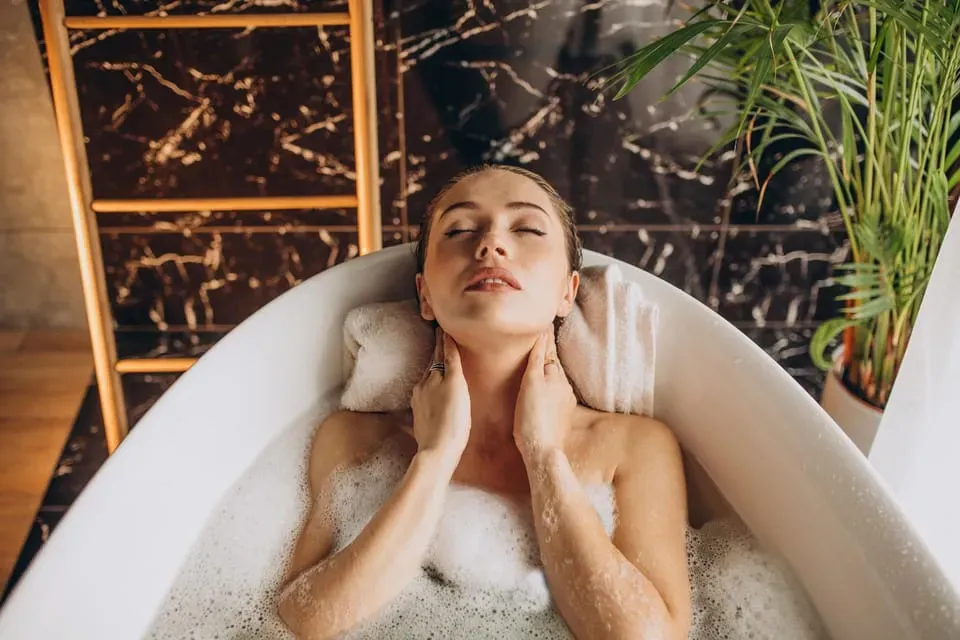
Turkish bath benefits for athletes redefine recovery by blending heat, humidity, and hydrotherapy to support performance and resilience. These sessions contribute to recovery for athletes by boosting circulation, easing muscle tension, and supporting muscle relaxation techniques. The warm, moist air helps flush fatigue from working muscles, while the calm setting enhances post-workout recovery strategies. Evidence suggests improved circulation for athletes translates into faster nutrient delivery and more efficient waste removal after hard efforts. To start safely, pair hammam sessions with hydration, sleep, and mindful pacing, and consider hot bath therapy for athletes as part of a balanced plan.
Beyond the traditional hammam, this steam-and-warmth ritual functions as a form of thermal therapy that can complement athletic recovery. Using terms like steam bath, steam room, or thermal hydrotherapy helps connect the practice to familiar concepts while signaling the same physiological effects on circulation and tissue pliability. LSI principles suggest pairing these descriptions with related ideas such as relaxation techniques, hydrotherapy benefits, and post-exercise care to reach a broader audience. Describing the experience as a traditional Turkish steam bath or warm-room ritual situates it culturally while keeping the focus on recovery outcomes. Practically, athletes can think of this as a warm hydrotherapy session that supports muscle relaxation and overall post-workout recovery strategies within a holistic training plan.
Turkish bath benefits for athletes: a holistic path to faster recovery
The hammam combines heat, humidity, and hydrotherapy in a ritualized sequence that supports the body’s natural healing processes after training. For athletes, this is more than a spa experience—it is a deliberate tool for recovery for athletes. By promoting controlled thermal exposure, the hammam can help increase blood flow to fatigued muscles, reduce tissue stiffness, and calm the nervous system.
The experience also aligns with broader post-training routines: hydration, nutrition, and light movement to maximize benefits. In practice, this approach supports recovery for athletes by easing muscle tension and facilitating tissue mobility. When used as part of effective post-workout recovery strategies, hammams can become a predictable component of weekly training.
Improved circulation for athletes: how hammam sessions boost blood flow and performance
Thermal exposure in the hammam triggers vasodilation, increasing blood flow to active and fatigued muscles. This enhanced circulation helps deliver oxygen and nutrients and supports faster clearance of metabolic byproducts, contributing to improved circulation for athletes.
To maximize benefits, pair hammam time with proper hydration, gradual exposure, and cooling strategies. These practices align with recovery for athletes and bolster post-workout recovery strategies, reinforcing the value of heat therapy as part of a holistic training plan.
Muscle relaxation techniques in the hammam: easing DOMS and stiffness after hard days
Humidity and heat in the hammam soften fascia and reduce muscle tightness, supporting muscle relaxation techniques used by athletes and therapists alike.
As stiffness eases, range of motion improves, promoting smoother transitions into movements and training. When incorporated into a broader recovery routine, hammams support ongoing performance gains and help manage DOMS.
Post-workout recovery strategies with a Turkish bath: safe protocols and timing for training cycles
Strategic timing matters: using the hammam after hard sessions or on dedicated recovery days fits well with how athletes periodize training. When incorporated, it supports post-workout recovery strategies by promoting tissue relaxation and joint mobility.
Guidelines for safe use include starting with shorter sessions, staying hydrated, and avoiding excessive exposure. Aim for 10–15 minutes in hotter rooms initially, then progressively lengthen as tolerance builds, while listening to your body and coordinating with sleep, nutrition, and other recovery practices.
Hot bath therapy for athletes: leveraging heat and humidity for faster tissue repair
The hammam offers a form of hot bath therapy for athletes, where heat and humidity promote vasodilation, metabolic clearance, and tissue repair after demanding workouts. This modality can support recovery by aiding nutrient delivery and waste removal in fatigued muscles.
Safety considerations are essential: monitor core temperature, stay hydrated, avoid alcohol, and don’t overdo exposure. For some athletes, pairing hot sessions with a cool-down rinse or adapting duration to climate and individual tolerance can optimize benefits without compromising safety.
Frequently Asked Questions
What are the Turkish bath benefits for athletes for recovery after hard training sessions?
Turkish bath benefits for athletes include vasodilation that increases blood flow to fatigued muscles, helping deliver oxygen and nutrients while speeding the removal of metabolic byproducts. The warm, humid hammam environment also promotes muscle relaxation techniques and may improve range of motion when paired with gentle mobility work. To maximize recovery for athletes, stay hydrated and time sessions to fit your training schedule.
How do Turkish bath benefits for athletes contribute to improved circulation for athletes and muscle relaxation techniques?
Heat and humidity in a hammam trigger vasodilation and soft tissue pliability, contributing to improved circulation for athletes and eased fascia. This combination can reduce perceived soreness and improve readiness for subsequent sessions, especially when you include light stretching or mobility work after the session.
Are Turkish bath benefits for athletes a viable component of post-workout recovery strategies?
Yes. Turkish bath benefits for athletes can be a valuable component of post-workout recovery strategies by accelerating tissue relaxation, restoring joint mobility, and calming the nervous system. Use hammams as a supplement to sleep, nutrition, and other recovery practices, and avoid overexposure by respecting heat limits and personal tolerance.
What safety precautions should be taken with hot bath therapy for athletes to maximize recovery benefits?
Key safety steps include staying well hydrated before, during, and after; limiting exposure to 15–30 minutes in the hottest rooms; avoiding use with alcohol; and consulting a clinician if you have cardiovascular issues, uncontrolled hypertension, pregnancy, skin infections, or recent surgery. Stop immediately if you feel dizzy, lightheaded, or nauseous.
How can athletes incorporate Turkish bath benefits for athletes into a weekly routine to balance recovery and performance?
For many athletes, 1–2 hammam sessions per week can fit a recovery-focused plan, with adjustments during heavy training blocks. Schedule hammams after hard days or on recovery days, followed by gentle mobility work and a protein-rich meal or snack. Pair this modality with sleep, hydration, and other recovery strategies to support ongoing performance and resilience.
| Key Point | Summary |
|---|---|
| What is a Turkish bath and how it works for athletes? | Traditional hammams expose the body to heat and humidity in progressively heated rooms, promoting sweating, relaxation, and vascular responses that support muscle relaxation and recovery. |
| Recovery through enhanced circulation | Heat-induced vasodilation improves blood flow to fatigued muscles, aiding oxygen/nutrient delivery and waste removal to reduce stiffness. |
| Muscle relaxation techniques | Humidity plus heat relaxes tight fibers and fascia, reducing soreness (DOMS) and improving range of motion; supports post-exercise mobility. |
| Stress relief and mood regulation | Warmth and tranquil hammam environments promote parasympathetic activation, supporting sleep and recovery. |
| Post-workout recovery strategies | Hammams can be a component of recovery plans when paired with hydration, nutrition, and adequate rest to restore tissue and joint mobility. |
| Safety, hydration, and practical considerations | Hydrate before, during, and after; limit exposure; avoid alcohol; seek medical advice for cardiovascular issues; listen to your body. |
| Physical mechanisms behind the benefits | Core temperature rise triggers vasodilation, tissue pliability, and hydrostatic effects that aid venous return and nutrient delivery. |
| Integrating Turkish bath benefits into training plan | Timing (after hard days), frequency (1–2 weekly, adjusted in heavy blocks), duration (start 10–15 minutes), hydration, post-session mobility; combine with sleep and nutrition. |
| Managing expectations and common myths | Not a miracle cure; supports recovery but cannot replace rest, injuries treatment, or proper training; individual responses vary. |
| A practical recovery-focused hammam protocol | Preparation; steam/heat phase; cool-down and mobility; rest and rehydration; optional post-session nutrition. |
Summary
Turkish bath benefits for athletes, sporcular için toparlanmaya yönelik holistik bir yaklaşım sunar. Hammam, performansı destekleyen dolaşım artışı, kas gevşemesi ve sinir sistemi üzerinde sakinleştirici etkiler sağlar. Bu yazıda Turkish bath benefits for athletes kavramı üzerinden, sıcaklık ve nemin toparlanmadaki rolü, güvenli kullanım ipuçları ve antrenman planına entegrasyonu ele alınır. Ayrıca, güvenli sınırlar içinde kalınması, hidrasyonun önemi ve bireysel toleransın belirleyici olduğu vurgulanır. Sonuç olarak, Turkish bath benefits for athletes, uygun bir plan ve uyumla, toparlanmayı hızlandırabilir, hareket açıklığını artırabilir ve zihinsel odaklanmayı destekleyebilir. Ayrıca bu makale, Turkish bath benefits for athletes kavramını arama motoru görünürlüğü için vurgular ve okuyuculara güvenli kullanım yolları sunar.