Turkish Bath 101 invites readers into one of the world’s oldest spa traditions, where heat, steam, and ritual meet relaxation. From the Hammam rituals that have shaped centuries of communal cleansing to the careful Turkish bath etiquette that guides newcomers, this guide reveals what makes the experience truly distinctive. You’ll learn what to expect in a traditional Hammam, how the step-by-step Turkish bath procedure unfolds, and the tangible benefits that come with a mindful Hammam experience. Along the way, the history of Hammam and its cultural context come to life as you discover how a steam-soaked room can become a space for cleansing, connection, and calm. Whether you’re planning your first spa trip or deepening your appreciation, Turkish Bath 101 offers practical tips, respectful etiquette, and a doorway to a centuries-old wellness tradition.
Beyond the specific name, this warm, steam-soaked tradition is also known as a hammam, a Turkish spa ritual, or a public bathhouse experience, each emphasizing hospitality and communal care. Imagine a ceremonial steam cleansing where warmth gradually opens pores, followed by exfoliation, lather, and massage—described through related concepts like rhythm, flow, and attentive service. LSI-friendly references connect to the history of the Hammam, Turkish bath etiquette, and the practical steps of exfoliation with a kessa and savonage, helping readers link related ideas. Whether you access a historic bathhouse or a modern spa, this framework supports authentic, respectful experiences and culturally aware self-care.
Turkish Bath 101: The Core of Hammam Rituals and History
Turkish Bath 101 serves as the gateway to a centuries-old spa tradition, weaving together Hammam rituals, cultural meaning, and the practical steps that define the experience. By exploring the history of Hammam alongside the modern Turkish bath procedure, you gain a holistic view of why this practice endures—from sacred cleansing to social connection. This subheading anchors the journey in a clear framework that emphasizes both tradition and today’s spa environment.
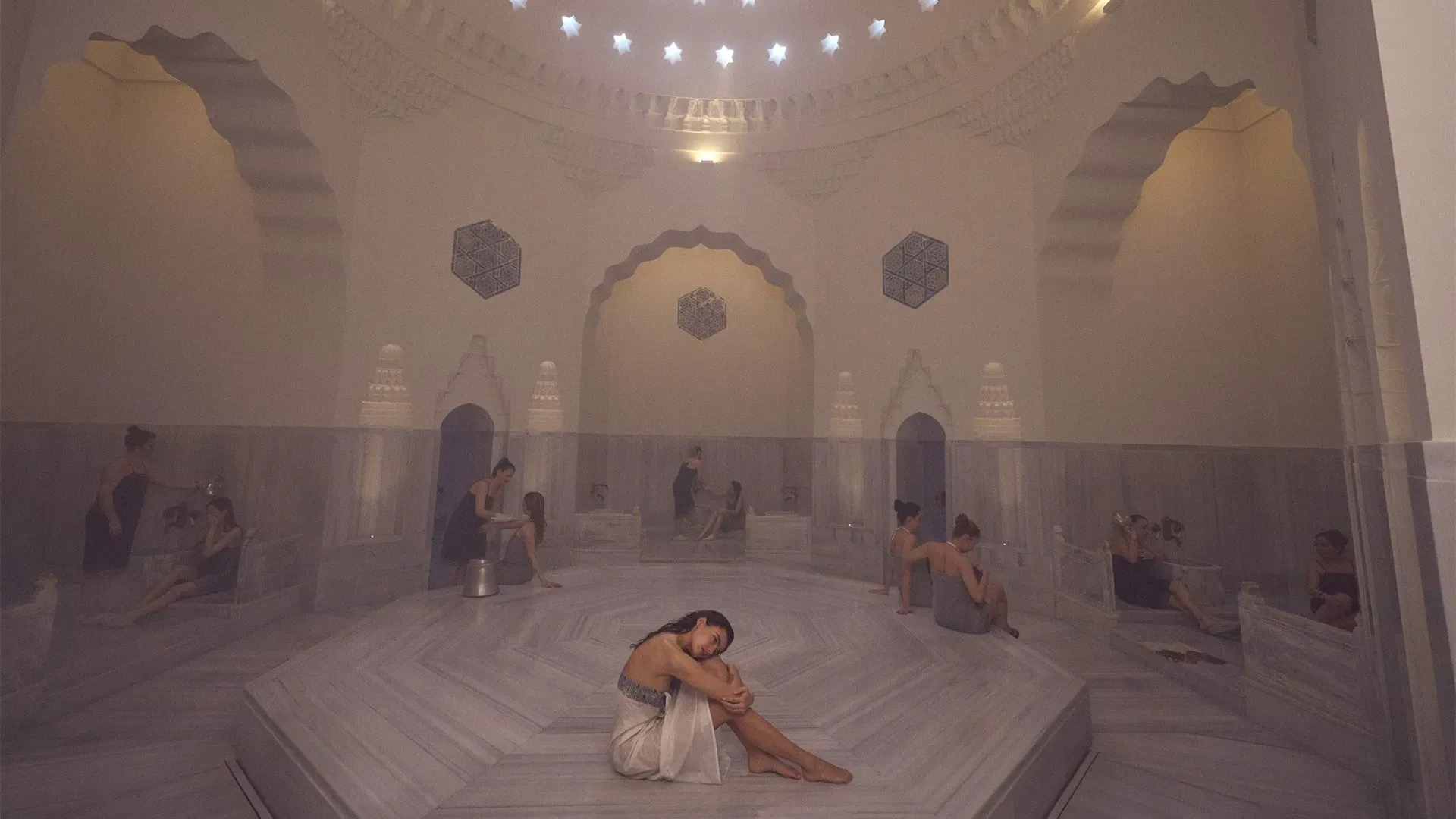
The Hammam rituals embedded in Turkish Bath 101 reveal a progressive journey: warmth, humidity, exfoliation, and a soothing rinse. Understanding this sequence helps you appreciate how the hot rooms open pores, encourage circulation, and prepare the skin for the signature kessa exfoliation. The history of Hammam informs every detail—from marble surfaces to domed ceilings—reminding us that the ritual is as much about culture and hospitality as it is about cleansing.
In practice, the Turkish bath procedure is a choreography that honors both body and spirit. Visitors learn to approach the space with mindfulness, recognizing that the ritual offers physical benefits as well as a moment of cultural immersion. By grounding your visit in Turkish Bath 101, you set expectations for what comes next and how to engage with Hammam rituals respectfully and meaningfully.
Understanding Hammam Rituals: From Warmth to Exfoliation
Hammam rituals are built around a carefully designed progression that emphasizes warmth, humidity, and cleansing. This subheading invites you to explore the sensory ladder—from the heated room that relaxes muscles to the steamy environment that softens skin—before the transformative exfoliation that defines the experience. The Turkish bath procedure in practice centers on this rhythm, creating a sustained sense of calm and renewal.
As you move through the ritual, the exfoliation stage—often performed with a kessa glove—becomes the defining moment of the Hammam experience for many guests. The abrasive yet controlled scrub removes dead skin and boosts circulation, setting the stage for a nourishing soap massage that follows. These Hammam rituals, when done with care and consent, reveal how the ancient practice remains deeply relevant in modern spa settings.
Beyond the technique, the rituals carry a social and cultural dimension. The history of Hammam informs how spaces are designed to encourage quiet reflection, privacy, and respectful interaction. Engaging with these rituals thoughtfully helps you connect with a tradition that has persisted through centuries of change while still delivering tangible skin and wellness benefits.
Turkish Bath Etiquette: Do’s and Don’ts in the Hammam
Etiquette is a cornerstone of a respectful Hammam experience. Understanding Turkish bath etiquette helps you navigate attire, behavior, and interactions in a space often shared with others. This section emphasizes modesty, proper use of a pestemal, and the quiet, contemplative atmosphere that characterizes many Hammam settings.
Maintaining privacy and pace supports everyone’s experience. Speak softly, move slowly, and follow staff guidance on procedures, tips, and service offerings. Tipping is common in many places for extras like scrubs or massages, so knowing local customs enhances both your comfort and the staff’s ability to deliver the best Hammam experience.
Health and hygiene considerations are also part of etiquette. If you have skin conditions or medical concerns, informing the attendant helps tailor the experience safely. By aligning with Turkish bath etiquette, you honor the ritual’s cultural roots while ensuring a relaxing, respectful visit.
The Hammam Experience: Benefits, Senses, and Cultural Context
The Hammam experience combines physical relief with a deep sense of cultural immersion. The warm rooms, steam, and exfoliation work together to improve circulation, soften skin, and reduce stress. Guests often report a lasting sense of well-being after a full Hammam ritual, underscoring why the Turkish bath procedure is valued not just for cleansing but for overall wellness.
From a wellness perspective, the exfoliation and massage components contribute to smoother skin and muscle relaxation. The steam and heat help relax the body, while the repeated cycles of warmth and rinse refresh the senses. This subheading also recognizes the broader cultural context—how Hammam rituals fit into daily life, seasonal routines, and travel—shared in an atmosphere that respects tradition and promotes relaxation.
Understanding the history of Hammam enhances the experience by connecting personal benefit to collective memory. The lineage of Turkish bath culture—from public baths to modern spa complexes—augments the sense that you are participating in a long-standing, communal practice. The Hammam experience, therefore, becomes not only a spa service but a living link to centuries of history.
Choosing the Right Hammam: Authenticity, Cleanliness, and Cultural Context
Selecting the right Hammam hinges on authenticity, clean facilities, and knowledgeable staff. This decision is informed by the Turkish bath procedure you expect to be performed and whether the space respects Hammam rituals in a way that aligns with your preferences. Look for facilities that maintain hygiene standards, transparently present services, and offer trained attendants who can guide you through each step.
Cleanliness and professional guidance are essential to a positive Hammam experience. Clear instructions, well-maintained changing areas, and attention to client comfort reflect a space’s commitment to both safety and tradition. When you find a venue that honors the history of Hammam while providing modern conveniences, you’re more likely to enjoy a meaningful, relaxing session.
Finally, consider cultural context: historic baths or regions with long Hammam legacies can offer more authentic experiences, though modern spas with trained practitioners can also deliver excellent Hammam-inspired treatments. The right choice supports your goals—whether you seek a deeply traditional ritual or a refined contemporary interpretation of the Turkish bath procedure—and helps you engage with Hammam rituals in a respectful, enriching way.
Frequently Asked Questions
Turkish Bath 101: What are Hammam rituals and how do they shape the Hammam experience?
Turkish Bath 101 presents Hammam rituals as a staged journey—from warm rooms and humidity to exfoliation with a kessa and a soap massage. This Hammam experience blends cleansing with relaxation and cultural meaning, reflecting centuries of spa tradition.
Turkish Bath 101: What are the basics of Turkish bath etiquette for a respectful Hammam experience?
Turkish Bath 101 emphasizes etiquette such as wearing a pestemal, speaking softly, giving others privacy, following staff instructions, and mindful tipping. It also highlights personal hygiene and appropriate behavior in steam spaces.
Turkish Bath 101: What is the Turkish bath procedure as described in this guide?
Turkish Bath 101 describes the Turkish bath procedure as a sequence: arrive and acclimate, warm room, steam, exfoliation with the kessa, soap or foam massage, rinse, and a final cool-down or rest.
Turkish Bath 101: How does the history of Hammam inform the current Hammam experience?
Understanding the history of Hammam reveals its role as a social hub and architectural ritual space, shaping the tradition and hospitality you experience today in Turkish Bath 101.
Turkish Bath 101: What should first-timers expect from a Hammam experience?
First-timers can expect a guided progression through heat, steam, exfoliation, and massage, along with etiquette cues and the wellness benefits described in Turkish Bath 101.
| Aspect | Key Points |
|---|---|
| What is a Hammam | A dedicated cleansing and social ritual featuring a progressive journey from warmth to humidity to exfoliation, ending with a rinse or massage. |
| History & Cultural Context | Public baths emerged in the Near East and flourished under Ottoman rule; Hammams served as social hubs and evolved into modern spa settings while preserving core rituals. |
| Turkish Bath Procedure | Arrival and acclimation → warm room → steam → exfoliation with kessa → soap/foam massage → rinse → cool-down and optional rest or massage. |
| Etiquette & Tips | Dress modestly (pestemal); speak softly, respect privacy; follow local norms; tip when appropriate; maintain hygiene and quiet pace. |
| Wellness Benefits | Improved circulation, detox effects from heat and steam; exfoliation for smoother skin; stress relief; muscle relaxation; skin nourishment. |
| Choosing the Right Hammam | Seek authenticity and cleanliness; trained practitioners; clear guidance on steps and pricing; cultural sensitivity. |
| Home/At-Home Hammam Ideas | Recreate elements like steam, exfoliation, soap/foam, and a restful post-treatment space at home where possible. |
Summary
Conclusion follows.