Traditional Turkish Hammam Traditions weave cleanliness, relaxation, and social bonding into the steam-filled ritual that is the hammam. Far more than a simple wash, this cultural practice blends heat, moisture, cleansing rituals, and skilled technique to refresh the body while centering the mind. In this guide we explore core elements such as the famed Turkish bath scrub, the fragrant hammam soap, and the exfoliation process that leaves skin renewed. Readers will discover how these components work together within the broader bath culture and why the Turkish bath rituals—the rhythm of steam and movement—remain beloved by locals and visitors alike. This introduction invites you to imagine the warmth, scent, and social hush that define the hammam experience.
Beyond the phrase Traditional Turkish Hammam Traditions, this heritage is also described as Turkish steam baths or hamam culture, a system of Ottoman-era bathhouses where heat, water, and ritual cohere. The process typically unfolds as a sequence of warm rooms, a kese-based exfoliation, and the cleansing power of hammam soap, culminating in a soothing massage that echoes enduring Turkish bath rituals. In contemporary contexts, many fans refer to it as a spa-like cleansing ritual rooted in public baths, marble architecture, and attentive service. Recognizing these alternative terms helps readers connect with the broader bath culture and appreciate similar steam bathing traditions across the region. This enduring framework embodies Traditional Turkish Hammam Traditions and continues to influence modern wellness and hotel spa experiences today.
Traditional Turkish Hammam Traditions: A Descriptive Immersion into Bath Culture
Traditional Turkish Hammam Traditions invite a multisensory journey through heat and hospitality. From the moment steam fills the room to the warm marble surfaces, participants engage in rituals that bind body and community. This is not just cleansing; it is an expression of bath culture where neighbors and visitors share space, pace, and quiet conversation, guided by experienced attendants and the rhythm of tradition.
Within this tradition, the cornerstone elements include Turkish bath rituals, the kese exfoliation technique, and hammam soap. The interplay of warmth, moisture, and careful cleansing creates a physical and mental reset. The experience reinforces cultural identity while delivering tangible skincare benefits, revealing how tradition and self-care converge in a meaningful ritual.
Modern hammam spaces often preserve the core cadence while adapting scent profiles and service levels. Guests still encounter the famous Turkish bath scrub in the form of a kese, paired with fragrant hammam soap, and a thoughtful exfoliation process that leaves skin renewed and any stress dissolved. The enduring appeal lies in the social, ceremonial, and mindful aspects that define bath culture across generations.
Core Ritual Sequence in the Turkish Bath: From Warmth to Exfoliation
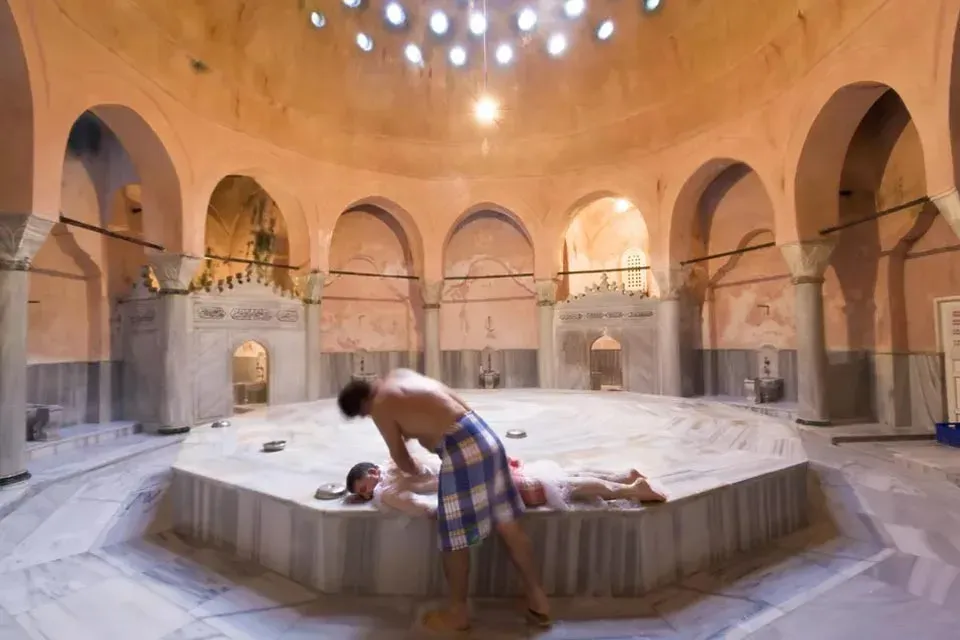
In the Turkish bath ritual, there is a core sequence: a warm soak that opens pores, a generous scrubbing with the kese, and a cleansing lather from hammam soap. The steam assists the skin in softening, making each motion glide with ease and reducing friction-related irritation. Practitioners and guests alike experience a sensorial progression from heat to cleansing to relaxation, a hallmark of authentic Turkish bath rituals.
Applied with measured pressure and long strokes, exfoliation emerges as the selective removal of dead skin while preserving healthy tissue. The scrub, combined with the soap’s oils and the steamy environment, promotes microcirculation and a brighter surface. This balance between cleansing and care is what makes the ritual both effective for skin and centering for the mind.
As the session concludes, attendants often wrap the body in warmth and guide post-ritual hydration, reinforcing the skin’s renewed state and the enduring cadence of bath culture.
Turkish Bath Scrub Techniques: Mastery of Kese for Radiant Skin
The kese, a rough exfoliating mitt, is the signature tool of the Turkish bath scrub. When wielded by an attentive hand, it lifts dull skin, smooths rough patches, and stimulates microcirculation, revealing a more even tone. The technique relies on textured friction and rhythm, turning scrubbing into a ceremonial act that honors the skin’s natural renewal within the bath culture.
To protect sensitive skin, practitioners emphasize gradual pressure and avoiding aggressive scrubbing over fragile areas. The balance between effective exfoliation and comfort ensures that the experience remains enjoyable rather than abrasive. The collaboration of steam-softened skin, oil-rich hammam soap, and the kese is what enables lasting smoothness without irritation.
A post-scrub rinse and moisturization seal in hydration and extend the benefits of exfoliation, supporting elasticity and radiance.
Hammam Soap: Aromatic Cleansing and the Role of Soap in Exfoliation
Hammam soap is more than cleansing; it is an aromatic, oil-rich cleanser designed to glide over skin and partner with the exfoliation process. Its lather nourishes while maintaining moisture, with natural oils such as olive or eucalyptus adding a comforting scent and skin-softening properties. The soap helps prepare the skin for the scrub by creating a slick surface that reduces friction and irritation, making the exfoliation smoother and more effective.
During the ritual the soap often carries aromatics that heighten the sensory experience, aligning with bath culture’s emphasis on atmosphere and mindfulness. When paired with the kese and the heat of the room, hammam soap contributes to a deeper cleanse and a balanced routine that supports skin health and ritual relaxation.
In many hammam centers, the interplay of soap and scrub is taught as a choreography—a ritual collaboration that maximizes the benefits of exfoliation while preserving the skin’s natural moisture barrier.
Etiquette, Aftercare, and At-Home Practice: Extending Turkish Bath Rituals Beyond the Hammam
Visitors are guided by etiquette that respects space, privacy, and the attendants’ expertise. Arriving on time, wearing appropriate attire, and communicating sensitivities help tailor the exfoliation and massage while guarding the comfort of all participants. Following a respectful approach ensures the experience reinforces bath culture and its social warmth.
For those who wish to recreate a similar routine at home, the steps remain simple: a steam session, a gentle exfoliation with a soft mitt, and cleansing soap, followed by a hydrating oil or moisturizer. This at-home practice mirrors the Turkish bath rituals and makes the ritual accessible beyond the spa, while preserving the skin renewal you would expect from authentic exfoliation.
Finally, aftercare is essential: rehydrate, apply a light moisturizer, and give the skin time to rest. Regular practice supports elasticity and tone, helping to carry some of the hammam’s calm and renewal into daily life and daily bath culture.
Frequently Asked Questions
What are Traditional Turkish Hammam Traditions and how do Turkish bath rituals typically unfold?
Traditional Turkish Hammam Traditions are steam-centered cleansing rituals that blend heat, moisture, cleansing rituals, and social bonding. A typical session unfolds with a warm soak, cleansing with hammam soap, the Turkish bath scrub, and exfoliation, followed by cleansing and massage as the steam continues. The experience reflects the bath culture of hospitality and mindful relaxation at the heart of the tradition.
How does the Turkish bath scrub fit into Traditional Turkish Hammam Traditions?
In Traditional Turkish Hammam Traditions, the Turkish bath scrub is the central exfoliation technique. The kese mitt is used with firm, rhythmic strokes after steam to lift dead skin and boost microcirculation. It should be applied with care to avoid over-scrubbing, especially for sensitive skin.
What role does hammam soap play in the cleansing rituals of Traditional Turkish Hammam Traditions?
Hammam soap provides cleansing power and moisturization, gliding over skin and preparing it for exfoliation. Rich in natural oils and often scented with olive or eucalyptus, it creates a slick surface that helps the scrub move smoothly without irritation. The soap-and-scrub pairing is a core element of Traditional Turkish Hammam Traditions.
What is the significance of exfoliation in Traditional Turkish Hammam Traditions and the broader bath culture?
Exfoliation removes dead skin cells to reveal a brighter skin surface and improve moisture absorption. In the hammam, exfoliation is gentle yet thorough, often followed by oils or creams to lock in hydration. This practice supports skin tone, texture, and overall well-being within the Turkish bath rituals and bath culture.
What etiquette should visitors follow to respect Traditional Turkish Hammam Traditions and Turkish bath rituals?
Arrive on time, wear appropriate attire such as a wrap or apron, and follow the attendant’s instructions. Discuss sensitivities, skin type, and preferred pressure to tailor the exfoliation, and hydrate and moisturize afterward. Whether you choose a guided kese session or private room, the aim is a respectful, comfortable experience that honors Traditional Turkish Hammam Traditions.
| Aspect | Key Points |
|---|---|
| Historical roots and cultural significance |
|
| Key components of the ritual |
|
| Turkish bath scrub as the central technique |
|
| Hammam soap and cleansing rituals |
|
| Exfoliation and post ritual care |
|
| Regional and stylistic variations |
|
| Etiquette and practical tips for visitors |
|
| At home guidance inspired by Traditional Turkish Hammam Traditions |
|
| Conclusion |
|
Summary
Traditional Turkish Hammam Traditions offer more than cleansing; they weave cleanliness, relaxation, social connection, and mindful ritual into a holistic experience. The steam, heat, and massage work together with kese scrubs and hammam soap to refresh the body while centering the mind. Across centuries, visitors encounter a sensorial rhythm of warmth, scent, and careful exfoliation that nurtures skin health and social bonds. By understanding the history, components, and etiquette, one can appreciate the enduring value of this ancient practice and carry a sense of calm and renewal into daily life.