The Traditional Turkish Bath, also known as hammam, is a centuries-old cleansing ritual that blends heat, water, and social warmth into a unique self-care experience. Within this ritual, guests move through steam, and the progression culminates in exfoliation and foaming massages that refresh skin and ease muscular tension. These steps are embraced as Hammam rituals, a term that signals a shared cultural practice beyond a simple wash. Observing Turkish bath etiquette ensures everyone enjoys the experience with respect for attendants, other bathers, and local customs. From the first inhale of warm steam to the lingering sense of calm afterward, the benefits—relaxation, smoother skin, and mental clarity—drive many to return.
Viewed through the lens of wellness, this ancient bathhouse tradition centers on heat, cleansing rituals, and community, offering a restorative spa-like experience. Across eras and regions, the concept persists as a steam room encounter that blends skin-softening care with social warmth. Modern travelers encounter the same idea under different names—the hammam experience, the steam bath culture, or a traditional Turkish spa ritual—each emphasizing transformation through ritual. For those seeking a mindful, sensory escape, guidance on etiquette and preparation remains valuable, whether one visits a historic bathhouse or a contemporary wellness center. In sum, this timeless practice invites you to pause, cleanse, and emerge with a sense of renewal, no matter where you encounter it.
Traditional Turkish Bath Essentials: Steam, Scrubs, and Foam in the Descriptive Experience
The Traditional Turkish Bath centers on a carefully choreographed cycle of heat, water, and touch. Steam in the steam room Hammam softens skin, loosens impurities, and calms the nervous system, setting the stage for a deeper cleanse and a sense of physical release.
From there, the kese exfoliating ritual and the foamy massage complete the sequence—an embodiment of Hammam rituals that transcends simple washing. The scrubs and massages in hammam become a tactile renewal, leaving skin smoother and spirits lighter as you move through the warmth toward a calm, refreshed state.
Hammam Rituals Through History: Cultural Significance and Regional Flavors
Historically, the hammam originated in the Eastern Mediterranean and the Middle East, evolving from Roman bathhouse culture into a social and spiritual space where cleanliness, ritual, and community intertwine. The Traditional Turkish Bath is as much a philosophy as a place, inviting travelers, merchants, and locals to pause, refresh, and reconnect with themselves and with others as they pass through warm rooms, hot rooms, and washing areas.
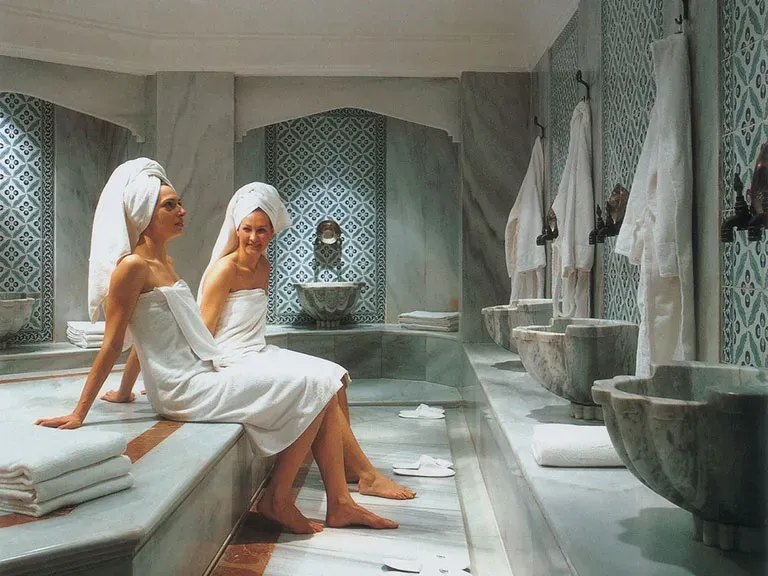
Across Turkey and the former empire, regional flavors color the experience—from marble interiors and intricate tile work in major cities to intimate, community-centered practices in smaller towns. These variations still honor Hammam rituals and the core steps that guide heat, cleansing, and renewal, creating a tapestry of experiences rooted in tradition yet responsive to local customs.
Unlocking Turkish Bath Benefits: Physical Renewal and Mental Clarity
Turkish bath benefits extend beyond clean skin. Regular visits can improve circulation, ease muscular tension, and foster a lasting sense of relaxation that carries into daily life, supporting joint comfort and overall well-being.
Exfoliation from the kese speeds cell turnover and reveals smoother texture while the foam massage leaves the skin hydrated and the mind soothed. The experience also has a social dimension, offering a space for conversation and quiet reflection that supports resilience and a calmer mental state—an enduring appeal of the hammam tradition.
Etiquette and Preparation for Your First Hammam Visit
Turkish bath etiquette matters from the moment you arrive. Guidance on coverings—a pestemal, swimsuit, or wrap—varies by facility, and asking staff about local norms helps choose the respectful option while maintaining comfort and modesty.
Hydration, pacing, and tipping are practical aspects to consider. Drink water before and after, avoid alcohol before sessions, and allow enough time for each stage—steam, scrub, and massage—to unfold without rushing. By embracing these practices, you honor the ritual while safeguarding your well-being in the heat.
Bringing the Hammam Spirit Home: Recreating Rituals and At-Home Options
Recreating Hammam Rituals at home can bring a touch of the experience to your own routine. A warm steam bath, a gentle exfoliating scrub, and a soothing body wash can capture the rhythm of Hammam rituals, even when you’re far from a traditional spa.
For a fuller sense of the social and ceremonial aspects, plan a visit to a certified hammam when travel allows, so you can experience scrubs and massages in hammam and the Turkish bath etiquette in action. This ensures you experience the authentic balance of heat, touch, and community that makes the tradition unique.
Frequently Asked Questions
What is a Traditional Turkish Bath, and how do Hammam rituals unfold?
A Traditional Turkish Bath, or hammam, centers on steam, exfoliation, and a foam massage. Typically, visitors move through a sequence of warm rooms with increasing heat before cleansing steps such as the kese exfoliation and a foam massage. The experience blends heat, water, and social ritual to cleanse the body and calm the mind.
What are the Turkish bath benefits for the body and mind?
Turkish bath benefits include improved circulation, reduced muscle tension, and smoother skin from exfoliation. The heat and cleansing rituals also promote relaxation and mental clarity that can linger after the session. Regular hammam visits support overall wellbeing through physical and social renewal.
In a Traditional Turkish Bath, what role does the Steam room Hammam play?
The Steam room Hammam opens pores, softens the skin, and relaxes deep muscles, preparing the body for cleansing. The warmth helps loosen dead skin and makes the following scrub and foam massage more effective.
What are Scrubs and massages in hammam like, and why are they central to the ritual?
Scrubs and massages in hammam use a kese mitt to exfoliate and reveal smoother skin. After the scrub, attendants apply a generous layer of soap lather for a foam massage that cleanses and nourishes the skin. Together, these steps embody Hammam rituals and signal renewal for body and mind.
What is Turkish bath etiquette for first-time visitors?
Attire varies by facility, but many hammams provide pestemal towels or modest swimwear, so ask about local etiquette. Hydration before and after the session is important, and tipping attendants who perform the scrub or massage is common. Finally, pace your visit and check with staff about privacy or shorter sessions if you’re new.
| Aspect | Key Points | Notes |
|---|---|---|
| Definition / What it is | A centuries-old cleansing and social-welfare ritual called hammam that blends heat, water, and ritual steps. | Core steps include steam, cleansing scrubs (kese), and foaming massages; aims for physical relaxation, improved skin texture, and mental clarity. |
| Historical context & cultural significance | Origin in the Eastern Mediterranean and Middle East; evolved from Roman bathhouse culture into a space for cleanliness, ritual, and community. | Mind-body cleansing; ritual transitions between warm and hot rooms invite introspection and social connection; the phrase Traditional Turkish Bath reflects setting and philosophy. |
| What to expect in a hammam visit | Warm, steam-filled spaces with progressive heat; rooms guide the cleansing sequence. | Acclimate gradually; environment emphasizes ritual rhythm and mindfulness. |
| Core rituals | Steam as the opening stage; kese (exfoliating mitt) used by attendants; foam/soap massage. | Steam softens skin and muscles; exfoliation reveals smoother texture; foam massage provides renewal. |
| Benefits | Improved circulation, reduced muscle tension, relaxation, brighter complexion, and calm mind. | Regular visits support holistic health and a sense of community. |
| Etiquette & practical tips | Attire varies by facility (pestemal, modest swimsuit or wrap); stay hydrated; tipping is common; pace the experience. | Ask staff about local norms and privacy options; plan adequate time for heat and transitions. |
| Regional flavors & variations | Regional differences include marble interiors and historic architecture in cities; intimate vibes in smaller towns; variations in oils, soaps, and services. | Core ritual (steam, scrub, foam) remains; regional touches reflect local culture. |
| Choosing & preparing for a visit | Research reviews; ask about scrub texture and skin suitability; inquire about shorter sessions in heat; consider guided sessions for customization. | Know privacy preferences; ensure staff can tailor the scrub, steam, and massage to comfort level. |
| At-home recreation | Warm steam bath at home with exfoliating scrub and soothing body wash to evoke the ritual’s spirit. | Professional hammam’s intensity and social dimensions are hard to replicate; focus on cleansing, hydration, and mindful breathing. |
Summary
Traditional Turkish Bath is a time-honored wellness practice that blends heat, water, touch, and community into a holistic experience. From the steam that softens the skin to the kese exfoliation and the soothing foam massage, Hammam rituals offer renewal for body, skin, and mind. Whether visiting a grand historic hammam in Istanbul or a smaller spa elsewhere, the essence remains the same: a moment to slow down, connect with others, and emerge with a sense of clarity and calm. Approaching this tradition with curiosity, respect for local etiquette, and an open mind enhances not only physical well-being but also cultural understanding. Embracing the ritual invites you to pause, cleanse, and return to daily life with renewed balance.