History of Turkish Hammams traces a journey through public baths, sacred spaces, and social rituals that shaped a civilization’s idea of cleanliness, community, and well being. From the marble-lined rooms of antiquity to the steam-filled sanctuaries of Istanbul and Bursa, the history of Turkish hammams reflects a layered story of cultural exchange, architectural innovation, and Roman baths influence on spa culture. This path continues through Byzantine and Islamic refinements, leading to the grand Ottoman bath culture that became a centerpiece of urban life. As visitors today discover these spaces, the hamam tradition, or Turkish bath rituals, connects cleansing with sociability and shared identity. Ultimately, the story also links to Turkish bath history, highlighting how the ritual spaces inspire wellness practices around the world.
Seen through an alternative lens, these steam-centered spaces form a public bath heritage where social life blends with cleansing rituals, often described as hamam culture. Scholars and travelers describe the hammam as a ceremonial spa whose marble-clad rooms, warm domes, and scented vapors translate Roman baths influence into a uniquely Turkish urban ritual. In scholarly terms, the bathhouse tradition spans Ottoman spa architecture, sacred bath spaces, and communal routines that defined daily life. Today, Turkish bath rituals continue in modern wellness venues, reinterpreted for contemporary spa culture while preserving centuries of etiquette.
History of Turkish Hammams: From Roman Baths to Ottoman Grandeur
The history of the Turkish hammam begins with the Roman baths influence that carried bathhouse culture across the empire. Marble-lined pools, hypocaust-powered heat, and public gathering spaces framed how public life organized cleanliness and social exchange. This lineage anchors Turkish bath history in a broader Mediterranean and Greco-Roman continuum, where architecture and ritual intertwined to create a place for body and community.
As Byzantium and Islamic periods reshaped the space, the hammam evolved from a purely utilitarian facility into a civic and sacred space that blended religious regard with social exchange. The hamam tradition took root within urban life, and the architecture—apodyterium, tepidarium, caldarium—demonstrated both Roman roots and Islamic refinements. The Ottoman era then elevated the bath to a centerpiece of urban culture, where social rituals, hospitality, and personal care converged in a grand ritual of Turkish bath rituals.
Ottoman Bath Culture: Urban Life, Public Rituals, and Social Exchange
In flourishing cities from Istanbul to Bursa, hammams served as equalizers and cultural hubs. The architecture and rituals reflected a society that valued cleanliness, hospitality, and public wellbeing; people gathered to bathe, gossip, perform ceremonies, and strengthen communal bonds. The Ottoman bath culture captures this integrated approach to wellness, social life, and spiritual calm.
Throughout these spaces, rituals of washing, scrubbing with kese mitt, soap foams, and massages created shared experiences that cut across class distinctions, reinforcing civic identity. The hammam functioned as a nexus of religious and secular life, and its influence spread through neighbors, travelers, and merchants—the diffusion shaping Turkish bath history beyond one city.
Hamam Tradition: Rituals, Steam, and Cleansing Ceremony
Hamam Tradition centers on a sequence of sensorial stages—disrobing, warming rooms, steaming heat, cleansing scrubs, and fragrant oils. The emphasis on ritual cleanliness aligns with Turkish bath rituals that stress balance, moisture, and renewal, making the steam sanctuary feel both spa-like and ceremonial. The first step invites you into warmth, followed by gentle exfoliation, drawing on a long heritage of purification through water.
Communal yet intimate, the practice is as much about social etiquette as body care. The scrub with kese, the lathering of soap, and the post-bath rest in a cool room highlight the enduring value of hamam tradition. Even as modern spas borrow aesthetics, the underlying discipline remains: approach, water, heat, and renewal as a shared human ritual.
Architectural Innovations in the Hamam: Design, Materials, and Acoustics
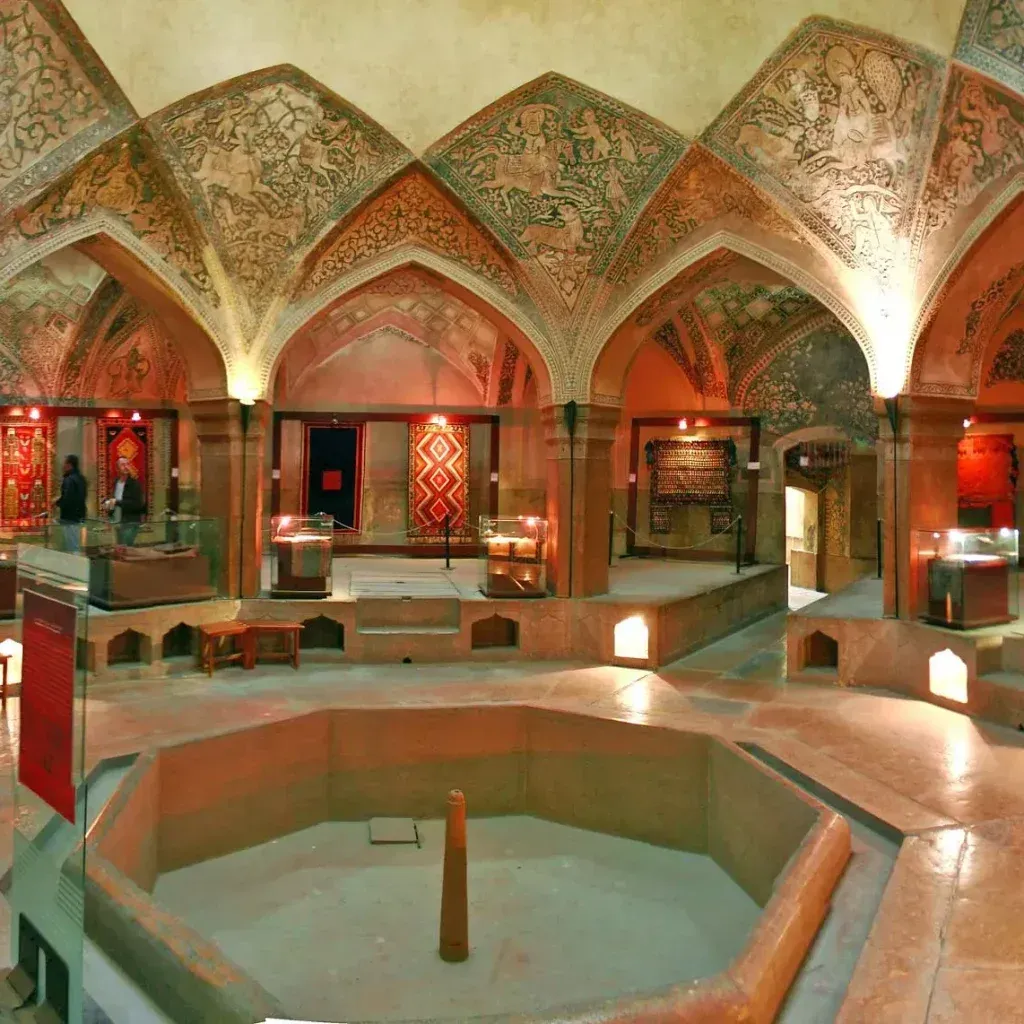
Architectural Innovations in the Hamam explore how design and engineering shaped heat circulation and damp spaces into welcoming environments. From grand domes to marble slabs and intricate tile work, the layout supports flow, privacy, and communal gathering. The Roman baths influence is evident in basic layout, while Ottoman refinements added ventilation, radiant heating, and sophisticated water systems that kept spaces temperate and inviting.
Spatial zoning—changing rooms, hot rooms, and relaxation galleries—creates a choreography that guides visitors through warmth, cleansing, and social exchange. These architectural choices, together with ornate ornament and acoustics, make the hammam a living museum of the hamam tradition and a testament to centuries of architectural innovation.
Modern Experiences: Turkish Baths Today and Global Wellness
Modern Experiences in the Turkish bath space show historic hammams welcoming both locals and travelers, blending preservation with new spa practices. The essence of Turkish bath rituals survives in steam rooms and traditional steam therapy, while contemporary services and wellness trends adapt to modern expectations without losing the core ritual of cleansing and renewal.
As global wellness interest grows, the Turkish bath tradition influences spa culture worldwide, with authentic or inspired hammams opening abroad. The emphasis on cleansing, relaxation, and social connection remains relevant, illustrating how a historical practice can evolve while honoring its origins in Roman baths influence and Ottoman bath culture.
Frequently Asked Questions
What is the History of Turkish Hammams and how did Roman baths influence its origins?
The History of Turkish Hammams starts with public baths in antiquity and was shaped by the Roman baths influence, weaving through Byzantine and Islamic reforms to become the Ottoman hamam culture. Traditional hammams featured marble-lined rooms and multi-stage bathing with steam as a core element. This layered heritage—Roman roots, Byzantine and Islamic influences, and Ottoman architecture—continues to inform modern Turkish bath experiences.
How did Ottoman bath culture shape social life and the Hamam tradition?
Ottoman bath culture turned hammams into essential urban hubs for cleansing, socializing, and networking, with architectural spaces and etiquette that reinforced community life. The Hamam tradition typically includes a sequence of cleansing, steaming, exfoliation with a kese, and a massage, often organized by gender-segregated spaces. This social ritual remains a defining feature of Turkish bath culture today.
What rituals define Turkish bath rituals and how are they rooted in history?
Turkish bath rituals center on a multi-stage experience—steam-filled rooms, thorough cleansing, exfoliation with a kese, and a massage—that trace back through historical practices of public baths. These rituals have long linked personal hygiene with social and ceremonial dimensions in Turkish bath history.
How has Turkish bath history reflected religious and cultural shifts in the region?
Turkish bath history mirrors religious and cultural shifts from ancient baths through Byzantine and Islamic eras, where ritual cleanliness and sacred space guided design and use. As Islamic traditions emphasized purity, hammams developed gender-segregated spaces and ceremonial rites, yet they remained vibrant centers of urban life and hospitality.
How is the legacy of the Hamam tradition visible in modern spa architecture and experiences?
The Hamam tradition endures in modern spa architecture and experiences through preserved marble interiors, domed steam rooms, and the familiar sequence of cleansing, steaming, exfoliation, and massage. Contemporary hammams blend century-old rituals with comfortable amenities, allowing visitors worldwide to connect with a historic Turkish bath culture.
| Key Point | Summary | Era/Influence | Notable Aspects |
|---|---|---|---|
| Origins and precursors | Roman baths and earlier spa culture laid the groundwork for hammams, emphasizing cleanliness and communal bathing. | Roman, Greek cultural heritage | Public baths as early social hubs and foundations of bath rituals. |
| Religious and social shaping forces | Byzantium and Islamic influences molded purification rituals, social roles, and the use of bath spaces. | Byzantine, Islamic influences | Ritual purity practices and the integration of baths into daily and religious life. |
| Ottoman hammam as urban centerpiece | The grand Ottoman hammam became a focal point of city life, blending ceremony, architecture, and social interaction. | Ottoman period | Urban importance, social hub, and architectural spectacle. |
| Architecture and design | Marble-lined rooms and steam-filled sanctuaries illustrate architectural innovation aligned with ritual baths. | Antiquity through Ottoman era | Heated spaces, ritual cleansing, and cohesive spa experience. |
| Geography and spread | Istanbul and Bursa symbolize grandeur; hammams spread across cities as cultural centers. | Ottoman to modern era | Hubs of urban life and points of cultural exchange. |
| Modern experience and global influence | Today’s visitors encounter restored and active hammams, informing contemporary wellness worldwide. | Modern/present global wellness | Continuing inspiration for spa design and cultural practice around the world. |
Summary
History of Turkish Hammams tells a journey through public baths, sacred spaces, and social rituals that shaped a civilization’s idea of cleanliness, community, and well being. From the marble halls of antiquity to the steam-filled sanctuaries of Istanbul and Bursa, this heritage reveals how architectural ingenuity, cultural exchange, and evolving concepts of wellness intersected with daily life. Today’s visitors encounter living rituals alongside restored stones, illustrating how tradition and modern spa culture continue to inspire wellness practices around the world. Exploring this history highlights how hammams served as social forums, religiously informed purification spaces, and innovative spaces that shaped urban identity—an enduring legacy in the broader story of the History of Turkish Hammams.